
Blog
What Is a Tuxedo? A Complete Guide to Its Style, Parts and Fit


A tuxedo is a formal evening outfit traditionally worn for black-tie weddings, galas, award ceremonies, formal dinners and other special occasions. Its most recognizable features are silk-faced lapels, matching formal trousers, a white dress shirt, a bow tie and polished black shoes.
In the United States, the outfit is commonly called a tuxedo. In Britain, it is usually known as a dinner suit or dinner jacket. Although the terms vary, they generally describe the formal evening outfit associated with the black-tie dress code.
Understanding what makes a tuxedo different from an ordinary suit can help you dress correctly for formal events and choose details that suit your body, personal style and occasion.
For a broader explanation of what men and women should wear to formal events, read our complete black tie attire guide.
Table of Contents
What Does Tuxedo Mean?
The word “tuxedo” can describe either the complete formal outfit or the distinctive evening jacket at the centre of it.
A traditional tuxedo usually includes:
- A black or midnight-blue dinner jacket
- Matching formal trousers
- A white formal shirt
- A black bow tie
- Black dress shoes
- Optional cufflinks, shirt studs, cummerbund or evening waistcoat
The tuxedo is more formal than an ordinary business suit but less formal than traditional white-tie evening dress.
It is designed to create a clean and elegant appearance. The contrast between the dark jacket, reflective lapels, white shirt and black bow tie gives the outfit its recognizable evening look.

A Brief History of the Tuxedo
The modern tuxedo developed from nineteenth-century eveningwear.
In Britain, a shorter dinner jacket without tails emerged as a more relaxed alternative to the formal tailcoat. In the United States, the name “tuxedo” became associated with Tuxedo Park, New York, where similar evening jackets became fashionable among members of high society.
The early tuxedo was considered less formal than white tie and tails, but it gradually became the standard outfit for many formal evening occasions.
Over time, details such as silk lapels, matching trousers, black bow ties and formal shirts became central to the look. Modern tuxedos now appear in different fabrics, cuts and colours, but the traditional design remains widely used.

What Are the Main Parts of a Tuxedo?
A tuxedo is not simply a black suit worn with a bow tie. Each part of the outfit contributes to its level of formality.
1. The Tuxedo Jacket
The jacket is the defining part of the tuxedo.
Traditional colours include:
- Black
- Midnight blue
- Ivory or white for selected warm-weather events
A tuxedo jacket usually has lapels covered with satin, silk or grosgrain. This contrasting surface is one of the clearest visual differences between a tuxedo and a regular suit.
The most common lapel styles are:
Peak lapel
Peak lapels point upward towards the shoulders. They create a structured, confident appearance and are suitable for traditional black-tie events, weddings and formal celebrations.
Shawl lapel
A shawl lapel has a smooth, rounded shape without a visible notch. It creates a softer and more refined evening look and is especially popular for dinner jackets and wedding tuxedos.
Notch lapel
Notch lapels are common on business suits. They can be used on modern tuxedos, but they generally look less formal than peak or shawl lapels.
Traditional tuxedo jackets often use jetted pockets rather than flap pockets because their simple shape keeps the jacket clean and formal. Single-breasted, one-button designs remain classic, although double-breasted tuxedos are also appropriate when properly proportioned.
2. Tuxedo Trousers
Tuxedo trousers normally match the jacket.
A traditional pair includes a satin or grosgrain stripe running along the outside seam of each leg. The material usually matches the facing used on the jacket lapels.
Tuxedo trousers are generally designed without belt loops. Side adjusters or braces can be used instead because a visible belt can interrupt the clean line of the formal outfit.
The trousers should sit cleanly at the waist and fall smoothly over the shoes without excessive fabric gathering around the ankles.
3. The Formal Shirt
A white shirt provides the traditional contrast beneath a dark tuxedo.
Common tuxedo-shirt styles include:
- Pleated-front shirts
- Piqué or textured-front shirts
- Clean plain-front formal shirts
- French-cuff shirts
- Stud-front shirts
A turndown collar is a versatile modern choice. A wing collar can create a more traditional appearance but should be styled carefully so that the bow tie remains properly positioned.
The shirt should fit smoothly around the neck, shoulders and waist. Excess fabric can create bunching beneath the jacket and weaken the final silhouette.
4. The Bow Tie
A black bow tie is the traditional choice for a black-tie event.
Silk, satin and grosgrain are commonly selected to coordinate with the jacket lapels. A self-tied bow tie often creates a more natural shape than a perfectly symmetrical pre-tied version.
A long business necktie should not normally replace the bow tie when an invitation specifically requires traditional black tie.
5. The Shoes
Black patent leather shoes are the classic tuxedo choice.
Other suitable options can include highly polished black leather oxfords, formal loafers or refined evening slippers, depending on the event.
Brown shoes, casual loafers, sports shoes and heavily textured footwear normally look too informal with a traditional tuxedo.
6. Formal Accessories
Tuxedo accessories should complete the outfit without overpowering it.
Appropriate options include:
- Cufflinks
- Shirt studs
- A white pocket square
- A black cummerbund
- A low-cut evening waistcoat
- Black dress socks
- Simple formal jewellery
- A slim and understated watch
A cummerbund or evening waistcoat covers the waistband and maintains a clean transition between the shirt and trousers. Wear one or the other rather than both.
Tuxedo vs Suit: What Is the Difference?
The main difference between a tuxedo and a suit is the level of formality and the use of contrasting eveningwear details.
Feature | Tuxedo | Regular suit |
Main purpose | Formal evening events | Business, weddings and general occasions |
Lapels | Usually satin, silk or grosgrain faced | Normally made from the jacket fabric |
Trousers | Often include a formal side stripe | Usually have plain outer seams |
Shirt | White formal or tuxedo shirt | Standard dress shirt |
Neckwear | Traditionally a bow tie | Necktie, bow tie or open collar |
Shoes | Patent or highly polished black shoes | Wider range of formal shoes |
Belt | Normally avoided | Commonly worn |
Pockets | Jetted pockets are traditional | Flap or patch pockets are common |
A dark suit may look elegant, but it does not automatically become a tuxedo when paired with a black bow tie.
The tuxedo is made as a complete evening ensemble. Its lapels, buttons, trouser stripe, shirt and accessories are designed to work together.
Custom Tuxedo Consultation
Planning a Tuxedo for a Special Event?
Whether you are preparing for a wedding, gala, formal dinner or black-tie event, the right tuxedo starts with proper fabric selection, balanced proportions and a precise fit. Visit New Armani Tailor Studio near BTS Nana for a personal consultation.
Located on Sukhumvit Road near BTS Nana Exit 4, Bangkok.
Is a Tuxedo the Same as Black Tie?
Not exactly.
Black tie is a dress code. A tuxedo is the outfit traditionally worn to follow that dress code.
When an invitation says “black tie,” men are generally expected to wear a tuxedo with a white formal shirt, black bow tie and formal black shoes.
When an invitation says “black tie optional,” a tuxedo is still appropriate, but a dark formal suit may also be accepted. Emily Post similarly distinguishes traditional black tie from black-tie optional, where men can choose either a tuxedo or a conservative dark suit.
Our separate Black Tie Attire: Dress Code Guide for Men and Women explains the complete dress code, including suitable options for women, weddings and black-tie optional events.
When Should You Wear a Tuxedo?
A tuxedo is most appropriate for formal evening occasions, including:
- Black-tie weddings
- Formal receptions
- Charity galas
- Award ceremonies
- State or diplomatic dinners
- Formal cruises
- Opera premieres
- Luxury celebrations
- Formal New Year’s Eve events
- Selected proms and graduation events
The invitation should always guide your decision.
When it says black tie, choose a tuxedo.
When it says black tie optional, choose either a tuxedo or a dark formal suit.
When it says cocktail attire, a well-tailored suit is normally sufficient.
When no dress code is provided, consider the venue, time, host and level of formality before deciding.
How Should a Tuxedo Fit?
The fabric and lapel style matter, but fit has the greatest influence on how the tuxedo looks.
A well-fitted tuxedo should have:
- Shoulders that sit cleanly without extending beyond the body
- A jacket collar that rests against the shirt collar
- Lapels that lie flat against the chest
- Sleeves that reveal a small amount of shirt cuff
- A shaped waist without pulling at the button
- Trousers that sit securely without a belt
- A clean trouser line with minimal break
- Enough room to sit and move comfortably
Tailor’s Note
A tuxedo should feel close and structured, but it should not restrict natural movement. Pulling around the jacket button, collar gaps, collapsing shoulders and excessive trouser fabric are signs that the balance or measurements need adjustment.
For formalwear, small fitting differences become highly visible because the outfit uses simple lines and contrasting colours.
Ready-Made vs Custom Tuxedo
A ready-made tuxedo can be practical when the standard proportions already suit your body and only minor alterations are required.
A custom tuxedo offers greater control over:
- Jacket length
- Shoulder balance
- Lapel style
- Fabric
- Button stance
- Trouser rise
- Waist suppression
- Shirt fit
- Lining
- Pocket design
Custom tailoring can be particularly helpful for people whose shoulder width, posture, chest, waist or trouser proportions do not align with standard sizing.
It also allows the tuxedo to reflect the specific event. A groom may choose different details from someone attending a corporate gala or formal dinner.
Common Tuxedo Mistakes
Avoid these common errors:
- Wearing a regular black business suit and calling it a tuxedo.
- Pairing tuxedo trousers with a visible belt.
- Choosing brown or casual shoes.
- Wearing an ordinary business necktie to a traditional black-tie event.
- Allowing the shirt collar to sit loosely around the neck.
- Wearing trousers that gather heavily over the shoes.
- Adding too many bold accessories.
- Choosing lapels that are too narrow for the wearer’s proportions.
- Wearing a waistcoat and cummerbund together.
- Waiting until the final day before arranging alterations.
The great tuxedo outfits are usually the simplest. Good proportions, clean finishing and a proper fit create more impact than unnecessary decoration.
Conclusion
A tuxedo is a formal evening outfit distinguished by its silk-faced jacket lapels, coordinated trousers, white formal shirt, bow tie and polished footwear.
It is not simply another name for a black suit. Every part of the outfit is designed to create a refined and consistent black-tie appearance.
Choose the tuxedo according to the event, your body proportions and the level of formality required. When the fabric, construction and fit work together, the result should feel elegant without appearing forced.
Custom Tuxedo Tailoring in Bangkok
Create a Tuxedo Made for Your Event
From classic black and midnight blue to shawl-lapel, peak-lapel and double-breasted designs, New Armani Tailor Studio can help you create a tuxedo suited to your event, personal style and body proportions.
Frequently Asked Questions On Tuxedo Tailoring
What is a tuxedo in simple terms?
- A tuxedo is a formal evening suit recognized by silk or satin-faced lapels, coordinated formal trousers, a white shirt and a bow tie.
Is a tuxedo just a black suit?
- No. A tuxedo normally has contrasting lapel facings, formal trousers with a side stripe and styling details specifically designed for eveningwear.
Can I wear a normal suit to a black-tie event?
- Traditional black tie calls for a tuxedo. A dark suit is more suitable when the invitation says black tie optional.
What colour should a tuxedo be?
- Black and midnight blue are the traditional choices. Ivory dinner jackets, velvet and subtle formal colours may work for particular venues, climates and creative black-tie events.
What shoes should be worn with a tuxedo?
- Black patent leather shoes are the traditional choice. Highly polished black leather shoes may also work.
Can a tuxedo be double-breasted?
- Yes. A properly fitted double-breasted tuxedo can be elegant and fully appropriate for black-tie occasions.

About James Artre
James Artre owner of New Armani Tailor Studio and has more than 20 years of experience in bespoke tailoring.
View all posts by James Artre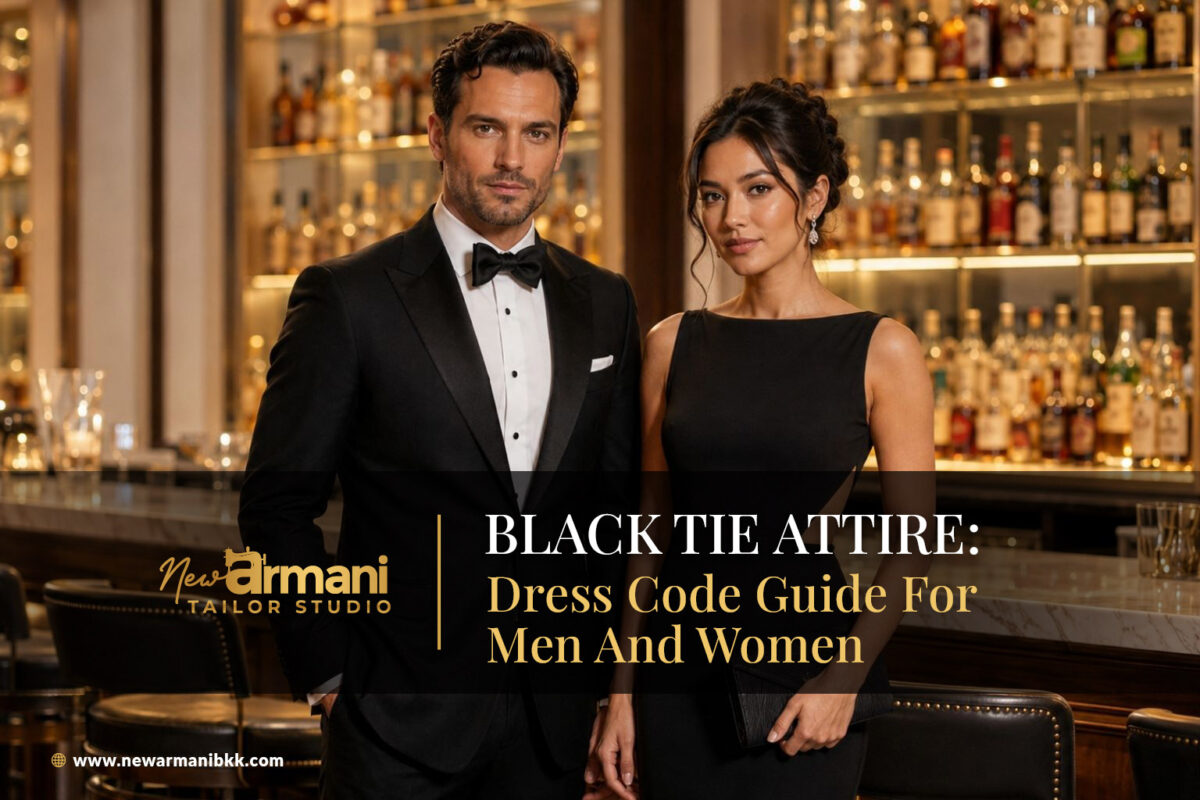



2 thoughts on “What Is a Tuxedo? A Complete Guide to Its Style, Parts and Fit”